Bunker Babes and Bug-Out Bags: Inside TikTok's Thriving Apocalypse Economy
Let's set the scene. It's 11 p.m. You're lying in bed, doom-scrolling with the quiet desperation of someone who just checked their credit card statement. Suddenly, a very fit person in tactical cargo pants appears on your screen. They're standing in a concrete room lined with canned beans and water filtration systems, explaining — with the calm energy of a yoga instructor — how to survive the imminent collapse of American civilization. Then, thirty seconds later, they're pivoting to a promo code for a beef jerky subscription service.
Welcome to TikTok's booming apocalypse economy, where the content is bleak, the engagement is astronomical, and the affiliate links never stop.
The Disaster Content Gold Rush
Call it prepper-core, doomsday chic, or just a really niche lifestyle brand — whatever you name it, survival content on TikTok has exploded into a full-blown industry. Creators who film bunker walkthroughs, wilderness survival hacks, and "what to do when the grid goes down" tutorials are racking up millions of followers and, more importantly, millions of dollars in brand deals.
The numbers are genuinely staggering. Hashtags like #prepper, #survivalist, and #bugout have collectively accumulated billions of views on the platform. And unlike the beauty or fitness niches, disaster content has a unique psychological hook: it doesn't just make you feel inspired. It makes you feel scared, and then it sells you the antidote to that fear in the same sixty-second video.
That's not a bug. That's the business model.
Fear Is the Original Engagement Bait
Here's the thing nobody in the disaster content space wants to say out loud: anxiety is the algorithm's best friend. TikTok's recommendation engine thrives on emotional intensity, and few emotions are more intense than existential dread. A video explaining that your local water supply might be compromised will always out-perform a video explaining that everything is basically fine.
So creators have learned to lean into it. Hard.
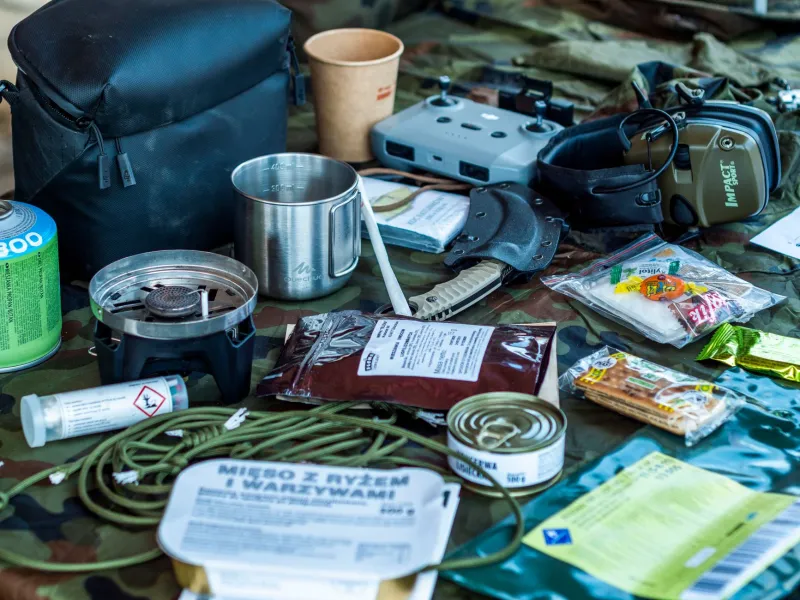
The format has become almost ritualistic at this point. Open with a vaguely ominous claim — "Most Americans aren't prepared for what's coming" — follow with three to five practical tips delivered in a reassuringly competent tone, then close with a sponsored segment for whatever product theoretically solves the problem you just introduced. Freeze-dried food companies, water purification brands, solar-powered generators, and tactical gear retailers have all figured out that the disaster content audience is an advertiser's dream: highly engaged, primed for urgency, and already in a purchasing mindset.
It's basically a pharmaceutical ad, except instead of selling you a pill, they're selling you a Faraday cage.
Are These People Actually Preparing for Anything?
This is the question that nobody in the comments section seems to want to ask, probably because the answer is complicated.
Some of these creators are, by any reasonable definition, genuine preppers. They've spent years building out food storage systems, learning wilderness medicine, and developing real skills that would be useful in an actual emergency. Their content is detailed, methodical, and occasionally genuinely useful — the kind of stuff FEMA would probably endorse if FEMA had a TikTok account and a sense of humor.
But then there's the other tier. The aesthetic preppers. The ones whose bunkers look suspiciously well-lit and Pinterest-worthy. The ones whose "72-hour bug-out bag" tutorial conveniently features twelve products, each with its own affiliate link. The ones who talk about societal collapse with the breezy confidence of someone who has never actually missed a meal or lost power for more than an afternoon.
This group isn't preparing for the apocalypse. They're cosplaying it. And their audiences — many of whom are genuinely anxious about economic instability, climate change, and the general vibe of living in America right now — are paying for the costume.
The Parasocial Prepper Relationship
What makes this niche particularly fascinating is who's watching. Disaster content doesn't just attract hardcore survivalists. It pulls in massive numbers of ordinary, financially stressed Americans who aren't building bunkers but are deeply worried about their futures. For this audience, watching a competent person methodically prepare for worst-case scenarios scratches a very specific psychological itch.
It's control. Or at least the illusion of it.
When everything feels chaotic — inflation, job market weirdness, whatever new crisis is trending on a given Tuesday — watching someone confidently stock a pantry and explain water purification ratios feels genuinely soothing. The disaster content creator becomes a kind of anxiety therapist who charges nothing upfront and only asks that you consider purchasing a hand-crank radio.
Psychologists have a term for this kind of vicarious coping. The rest of us just call it Tuesday night on the couch.
The Sponsored Apocalypse: A Love Story
Perhaps the most surreal aspect of this whole ecosystem is how seamlessly the sponsored content integrates into the doom. These creators have mastered the art of the pivot — transitioning from "here's how to identify which wild plants won't kill you" to "speaking of not dying, today's video is brought to you by MyPatriotSupply" with a smoothness that would impress any late-night TV host.
And the brands are absolutely here for it. The survival food industry alone has seen massive growth over the past several years, with companies reporting that social media influencer partnerships have become their primary customer acquisition channel. One major freeze-dried meal brand reportedly saw a 300% spike in sales following a single viral TikTok from a creator with a few million followers.
The apocalypse, it turns out, has incredible margins.
So Is Any of This Actually Bad?
Here's where DisasterFun has to get briefly, uncomfortably real: probably not entirely? Basic emergency preparedness is genuinely good advice. FEMA literally recommends keeping a 72-hour emergency kit. Having some extra food and water on hand is objectively sensible in a country that gets hurricanes, wildfires, ice storms, and the occasional unexplained infrastructure failure.
The problem isn't the preparedness. It's the monetized urgency. When financial incentives reward creators for escalating fear rather than calibrating it — for making every week feel like the week before the end — the content stops being useful and starts being a very effective anxiety machine with a shopping cart attached.
Which, come to think of it, describes most of the internet.
So stock your pantry if you want. Learn to filter water. Buy the hand-crank radio. Just maybe don't let a guy in tactical pants with a sponsored beef jerky deal be your primary source of information about the state of civilization.
Or do. We're DisasterFun. We're not here to tell you how to live. We're just here to watch.